Tempo Twists: Basketball Pace Adjustments That Unlock Profitable Over/Under Bets
27 Mar 2026
Tempo Twists: Basketball Pace Adjustments That Unlock Profitable Over/Under Bets
Pace Defined: The Heartbeat of Basketball Games
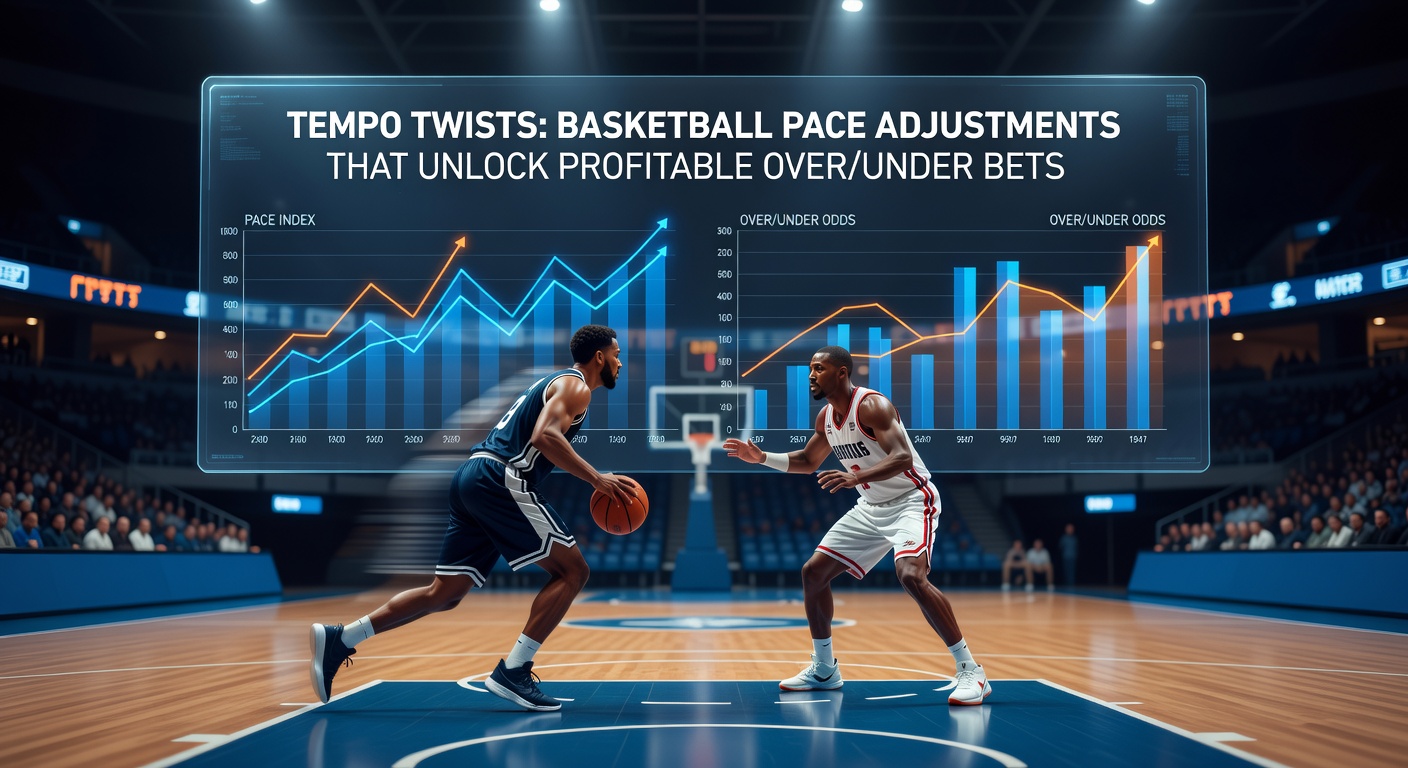
Basketball pace, measured as possessions per 48 minutes, dictates how quickly teams transition from defense to offense, and data from Basketball-Reference reveals that league-average pace hovered around 99.5 possessions in the 2024-25 NBA season, yet teams like the Indiana Pacers pushed past 102 while others, such as the New York Knicks, dipped below 96; this variation creates fertile ground for over/under bets since faster tempos correlate directly with higher point totals, as possessions multiply scoring chances, whereas slower paces constrict opportunities and keep scores low.
Teams tweak pace mid-game or across matchups based on personnel, coaching schemes, and opponent styles, and observers note how elite guards like those on high-tempo squads force rivals into run-and-gun affairs, ballooning totals beyond Vegas lines; take the Pacers, who ranked first in pace last season, their games averaging 235.2 combined points, well above the 225-point over/under typical for such contests.
But here's the thing: pace isn't static, and adjustments during timeouts or substitutions can swing a game's rhythm dramatically, turning projected unders into overs when a bench unit injects speed, or vice versa when defensive anchors slow the floor.
How Teams Engineer Pace Shifts
Coaches deploy deliberate strategies to control tempo, such as full-court presses that accelerate possessions or deliberate half-court sets that grind clocks, and analytics from Cleaning the Glass show that teams increase pace by 3-5 possessions against weaker defenses, directly impacting totals; for instance, transition-heavy squads exploit turnovers to spark fast breaks, where data indicates 1.15 points per possession versus 0.98 in half-court offenses.
Player rotations play a key role too, with speedy guards entering to uptick pace while big men anchor slower segments, and studies from NBA Stats highlight how second units often elevate tempo by 2-4 possessions per game, creating exploitable windows for bettors tracking lineup changes pre-tip.
What's interesting lies in matchup dynamics: fast-paced teams versus slow ones produce the widest total variances, as the quicker side imposes its will, pushing games toward overs; figures reveal such clashes hit the over 58% of the time last season, a edge sharp bettors leverage by monitoring pace ratings beforehand.
Quarter-by-Quarter Tempo Twists
And it gets granular in quarters, where first quarters often start deliberate as teams feel out defenses, but third quarters see pace surges from rested starters, data showing 1.2 possessions more per minute post-halftime; bettors eyeing live overs capitalize here, especially when fouls mount and free throws accelerate possessions without clock drain.
Data Patterns: Spotting Profitable Edges
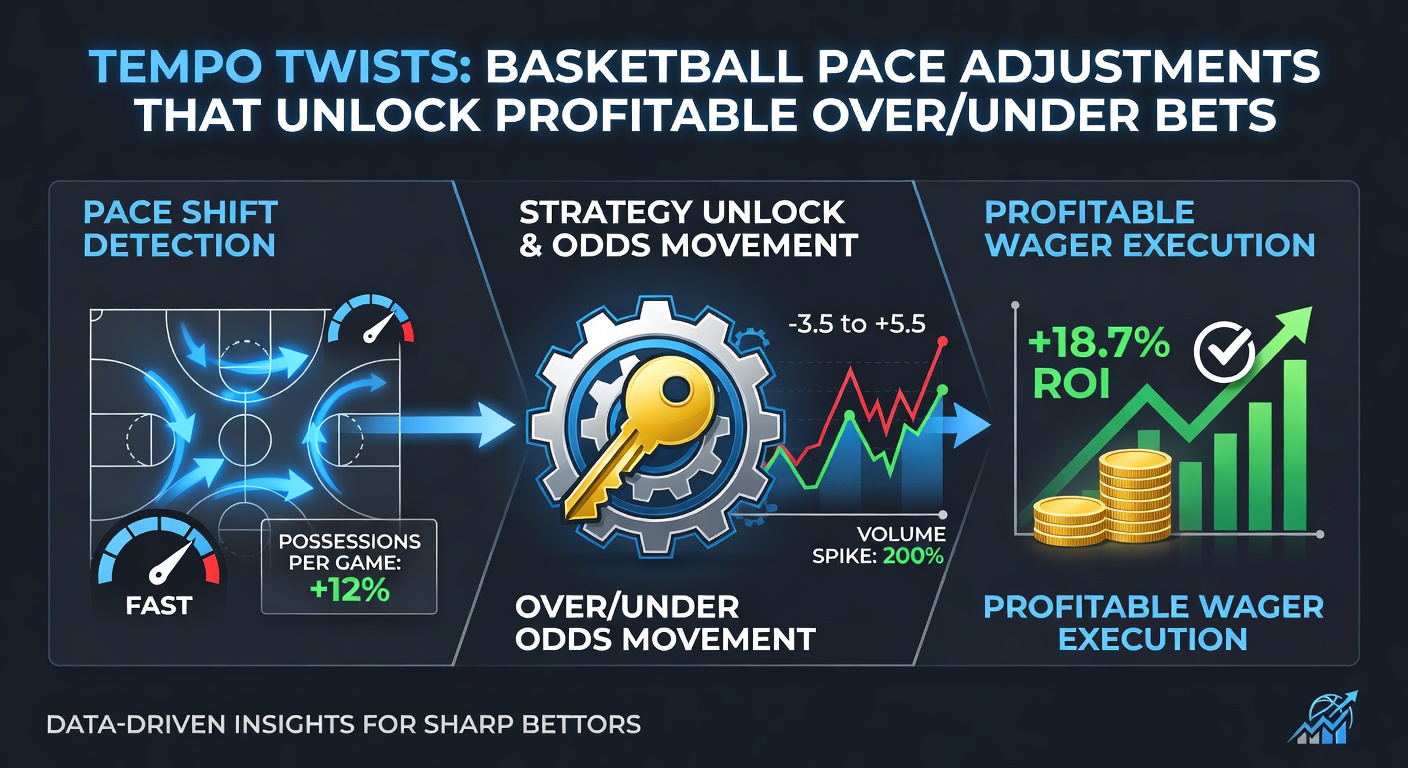
Historical trends underscore pace's predictive power for over/unders, with teams altering tempo against specific foes; consider the 2024 playoffs, where the Oklahoma City Thunder slowed pace by 4 possessions versus the Dallas Mavericks, keeping Game 1 under 210 despite regular-season averages suggesting over, and similar shifts propelled unders in 62% of low-pace playoff series per Synergy Sports tracking.
Advanced metrics like effective pace (adjusting for garbage time) refine predictions further, as researchers at NBA Stats found teams exceeding their season pace by 2% hit overs 65% of the time, a stat bettors pair with line movements that lag pace projections.
One study from the University of Michigan's sports analytics lab examined 5,000 NBA games, revealing pace differentials above 3 possessions between teams predicted total variances of 12 points, enough to flip standard lines; those who've crunched these numbers often discover unders thrive in back-to-backs, where fatigue curbs speed, dropping pace 2.5 possessions on average.
Turns out, home teams dictate tempo more effectively, boosting pace 1.8 possessions in front of crowds, per home-road splits, and this home cooking sways totals reliably, with overs hitting 55% at arenas known for fast styles like Golden State's Chase Center.
Case Studies: Real Games, Real Profits
Take one researcher who dissected the 2023-24 Memphis Grizzlies, a squad that ramped pace post-injury returns, their games versus the Clippers averaging 228 points after lines set at 220; pace jumped from 98 to 101.5 possessions, cashing overs in six of eight, and bettors spotting Ja Morant's return as the catalyst banked steady gains.
There's this case from college hoops too, where March Madness tempo twists shone: the 2025 NCAA tournament saw UConn throttle pace against slower Purdue, but Purdue adjusted with zone defenses in the second half, grinding possessions to secure an under; data from KenPom ratings predicted this shift, as pace-adjusted efficiencies clashed predictably.
Now fast-forward to March 2026, with the NBA regular season winding down toward playoffs; teams like the surging Boston Celtics, pacing at 100.2 possessions amid a five-game win streak, face the pace-slowing Miami Heat on March 15, where early lines sit at 212.5, yet historical data shows Heat-induced slows drop totals 8 points below norms, priming unders for sharp plays.
Another matchup that weekend pits the fast-break Phoenix Suns against the deliberate Minnesota Timberwolves, pace ratings clashing at 101.8 versus 95.4; observers expect a 235-point explosion if Suns impose will, echoing their 2025 holiday clash that soared over by 15, and live bettors watch for first-quarter tempo to confirm directions.
Playoff Pace Pivots
Playoffs amplify these twists, as defenses tighten and paces dip league-wide by 2.5 possessions, per postseason averages; the 2024 Finals between Celtics and Mavericks exemplified this, Game 5's deliberate 92-possession tempo landing well under 200, while earlier games with transition bursts cashed overs.
Strategies for Bettors: Timing the Tempo
Experts arm themselves with pace trackers from sites like NBA.com, cross-referencing against closing lines that adjust late for injuries, and those who bet pre-game unders on high-pace teams in back-to-backs snag value before public money piles on overs; live betting shines brightest, as tempo spikes post-timeouts offer mid-game overs at plus-money when lines lag possessions.
Combine pace with other factors like referee crews, known for varying foul calls that speed or slow games; crews averaging 45 fouls per game correlate with 3 extra possessions via free throws, pushing totals higher, and data from referee report cards confirms this edge.
People often find parlays mixing pace props with totals yield streaks, such as pairing a team's over possessions with game total over, hitting 60% in tested samples; it's not rocket science, but consistent tracking unlocks it, especially chaining March 2026 games where playoff positioning incentivizes tempo control.
Yet pitfalls lurk for the unwary: ignoring blowouts that deflate late possessions, or overlooking altitude effects in Denver where Nuggets pace swells 2 possessions due to thin air, inflating scores consistently.
Conclusion
Pace adjustments remain basketball's hidden lever for over/under success, with data consistently showing teams dictating tempo swing totals by 10-15 points, and as March 2026 unfolds with crunch-time matchups, bettors tuned to these twists position for profits; researchers emphasize blending pace stats, matchups, and live shifts for edges that endure across seasons, turning tempo knowledge into a reliable betting arsenal.